
Home Insurance | 04/15/2026
Who doesn’t love springtime on Cape Cod?
After all, for much of Massachusetts, and certainly for us here on the Cape, snow season is over or at least winding down. There is more daylight, temperatures begin to moderate, and signs of nature’s renewal start to appear.
Really, what’s not to love?
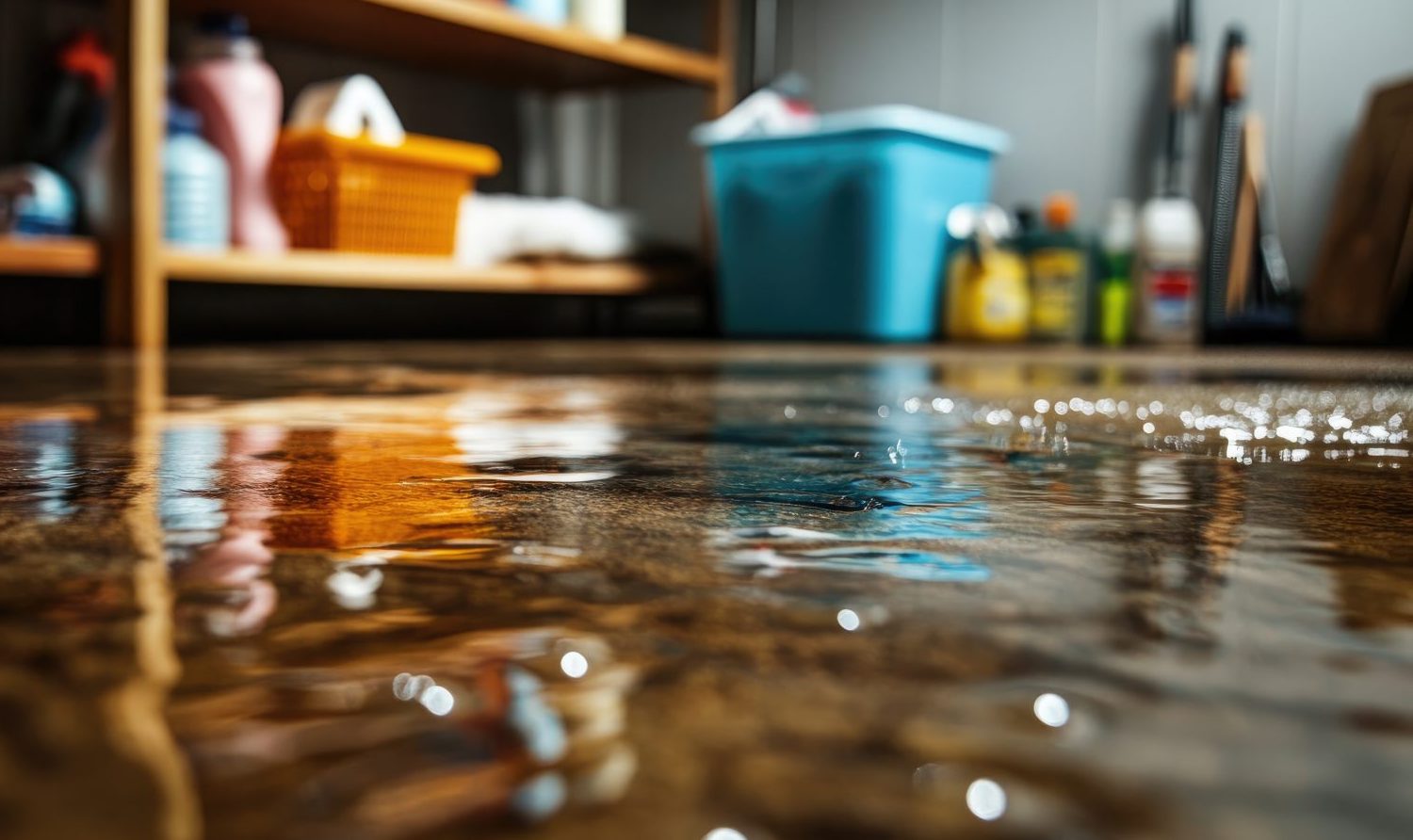
Well, here’s one thing: water, more specifically, water in the form of spring precipitation. Combined with lingering snowmelt from winter storms, this water saturates the ground. Eventually, no avenue remains for the run-off to be absorbed or dissipate, creating the potential of seasonal home flooding, especially in cellar or basement areas.
It’s an important consideration right now because we are in the middle of what is the typically the Bay State’s wettest season of the year. Worlddata.info, a comprehensive database for geographic, climatological, and demographic data, notes that March ranks as one of our three wettest months of the entire year, and April is not far behind in rainfall totals. After tapering down a bit in May, precipitation amounts tick up again in June.
Simply put, spring weather in our area produces an abundance of water, and some of it eventually has no good place to go. The goal is to make sure that water doesn’t end up in your house.
Consider these facts. Every day in the US, some 14,000 people experience water damage. And it doesn’t take much water to cause significant—and expensive—damage. Just a few inches seeping into a home can destroy flooring and drywall, damage furniture and appliances, and ruin personal belongings, leaving behind mold and long-term moisture issues.
But there are steps you can take to keep that seasonal water from seeping into your home and your life. Some of these steps are simple and easy and should be done now. Others, because they may call for the guidance or involvement of licensed professionals, should be done as soon as you are able.
Finally, consider buying flood insurance. The bank that holds your mortgage may not require this coverage, but that doesn’t mean that you don’t need it. Even homes that have never experienced water infiltration issues at any other period of the year can be at risk during spring.
A common misconception is that homeowners insurance covers flood damage. In reality, most standard policies do not cover flooding caused by outside water entering the home. The causes and conditions excluded from coverage are numerous, and several are directly related to the issue of spring flooding, such as
In terms of flood insurance, homeowners have two basic options:
Timing is an important consideration relative to choosing between these two options. NFIP requires a 30-day waiting period before coverage takes effect, while private insurance may be able to offer activation of coverage more quickly than 30 days.
The experienced insurance specialists here at Benson, Young & Downs can offer guidance as you make decisions that make sense for you and your home. Please feel free to contact the BY&D team at 508-487-0500 or insure@byandd.com with any questions or concerns about safeguarding your property from water damage or about enhancing your policy coverage. We know that keeping your property safe and secure is paramount in importance to you. That’s what Benson, Young & Downs has been helping our clients do since 1902. We’re not just your insurance agency—we’re your neighbors.